Mind and Meditation
As the days shorten and temperatures drop, we naturally begin to turn inward. In Chinese medicine, winter is associated with the Kidneys and the Water element, which governs the storage of Jing (Essence), our deepest reserves of vitality. This is a good time to slow down, reduce unnecessary stress and make space for quiet reflection, meditation and relaxation.
Food & Drink
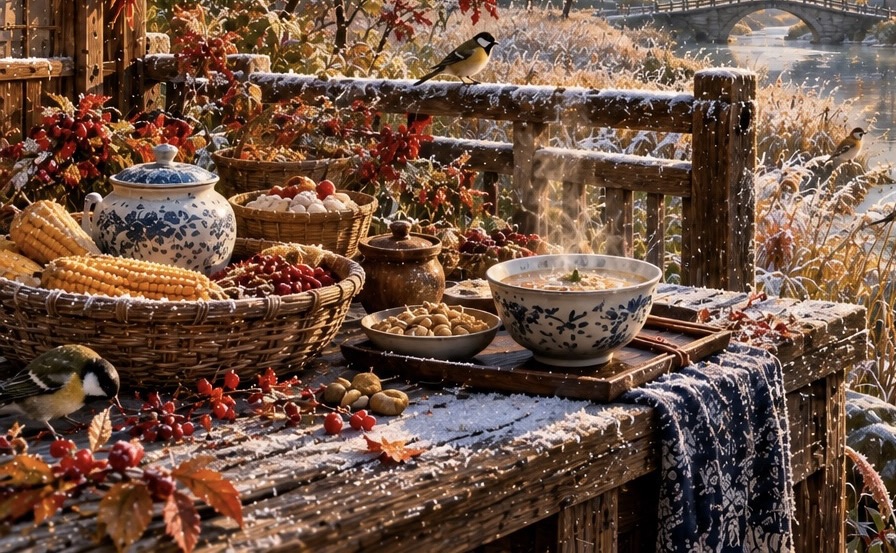
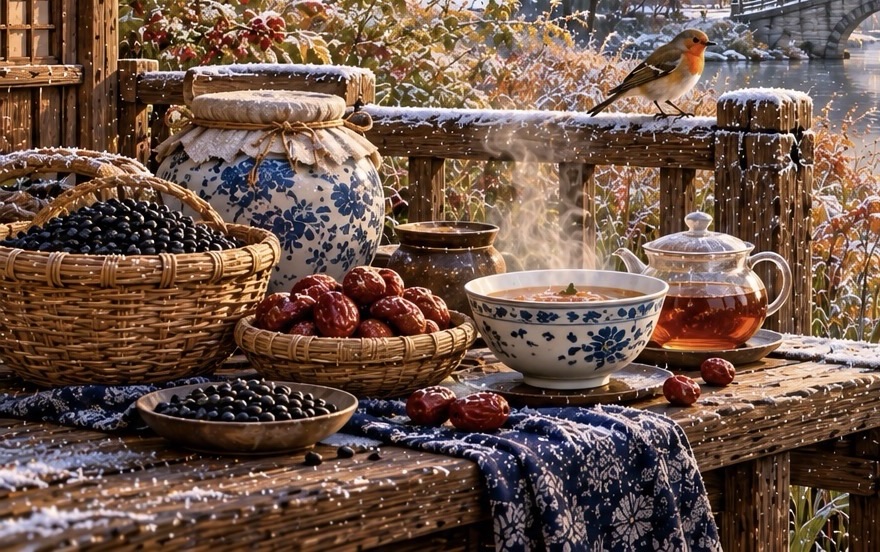
Our appetite often changes as winter approaches, and warming foods such as soups, stews, root vegetables and slow-cooked meals become more appealing. Black foods, particularly black beans, are traditionally associated with nourishing the Kidneys. Try simmering black soybeans with red dates for a gentle winter drink. White radish is another useful seasonal ingredient, traditionally helping digestion and the movement of Qi (Chi), particularly alongside richer meals. The aim is to nourish without overloading the digestive system.
Exercise
Although winter encourages us to slow down, movement remains important. Regular walking, gentle stretching, Tai Chi and Qi-gong help maintain circulation and keep joints mobile. In Chinese medicine, excessive sweating during winter is thought to disperse protective Qi and valuable fluids. Keep warm, exercise sensibly and avoid exhausting yourself. Ideally, finish feeling refreshed rather than depleted.

Rest and Relaxation
The classical winter teachings encourage us to retire earlier and rise later, making the most of the longer nights. Protecting your warmth is important, particularly around the head, neck, lower back and feet. An extra hour of sleep, a warm bath or a quieter evening can all help support your body through the colder months.

Lifestyle and Seasonal Treatments
Xiao Xue reminds us that winter is a time of Cang (storing and conserving). However, storing energy does not mean allowing ourselves to become stagnant. Reduced activity and heavier meals can contribute to sluggish digestion and circulation. Some people may experience cold feet and a stiff lower back alongside signs of upper heat, such as mouth ulcers or a dry throat. Acupuncture, moxibustion and appropriate seasonal treatments can help support individual balance.
By combining warmth, nourishment, movement and rest, we protect our reserves with the goal of welcoming spring feeling refreshed rather than depleted.
This content is offered to support awareness, not to “fix” you. It reflects a Traditional Chinese Medicine perspective and is for informational purposes only and is not a substitute for individual medical care or a one to one consultation and treatment.
For more information about how Acupuncture and Chinese Medicine can assist you in this season, to make an appointment.