Although the weather may still feel like the height of summer, Lì Qiū marks the energetic beginning of autumn. In Traditional Chinese Medicine (TCM), this is a time of transition. The heat has not completely gone, but nature has already begun drawing its energy inward, inviting us to slow down and prepare for the cooler months ahead.
Mind & Meditation
Autumn is associated with the Metal Element and the Lungs, bringing a natural time for reflection and letting go. Gentle breathing exercises, meditation or a walk in nature can help calm the mind. Walking somewhere with an open view and taking a few deep breaths is a wonderful way to expand the chest and support healthy Lung Qi.
Food & Drink
For the first few weeks of autumn, think “clear first, then nourish.” Choose foods that gently clear lingering summer heat while moistening the lungs, such as pears, lotus root, cauliflower, daikon radish and Tremella (white fungus). Reduce very spicy foods, which encourage sweating and dryness, and enjoy gentle sour flavours like lemon or plums to help preserve body fluids.
Exercise
Continue regular exercise but avoid overheating. Walking, Tai Chi, Qi Gong or gentle strengthening exercises are ideal. The aim is to stay active while gradually reducing the intensity of summer.
Rest
As daylight slowly shortens, begin settling into an earlier bedtime where possible. Good sleep helps replenish Yin and supports the body’s natural seasonal rhythm.
Lifestyle
A traditional practice known as “Autumn Freeze” encourages us not to rush into heavy winter clothing, allowing the body to gradually adapt to cooler temperatures. However, always keep your neck, abdomen and feet warm, and if you have cardiovascular, digestive or circulatory conditions, prioritise staying comfortably warm.
Seasonal Treatment Advice
Lì Qiū is an excellent time for seasonal acupuncture. Treatment can help clear lingering summer heat, support Lung Qi, strengthen your immune system and prepare your body for autumn. By working with the changing season rather than waiting for symptoms to appear, we can help maintain balance and wellbeing throughout the months ahead.
Da Shu, meaning Major Heat, is the hottest and most humid Solar Term of the year. In Traditional Chinese Medicine (TCM), Yang energy reaches its annual peak, yet beneath the surface the body’s digestive fire can become weakened. Excessive heat, humidity and sweating place the greatest strain on the Heart and Spleen, leaving many people feeling tired, heavy, irritable and mentally drained.
Mind and Meditation
High temperatures can agitate the Heart, causing restlessness, poor sleep and irritability. Slow the pace of life where possible and make time for meditation, gentle breathing or quiet reflection. Even a short period of calm each day can help cool the mind and restore emotional balance.
Food and Drink
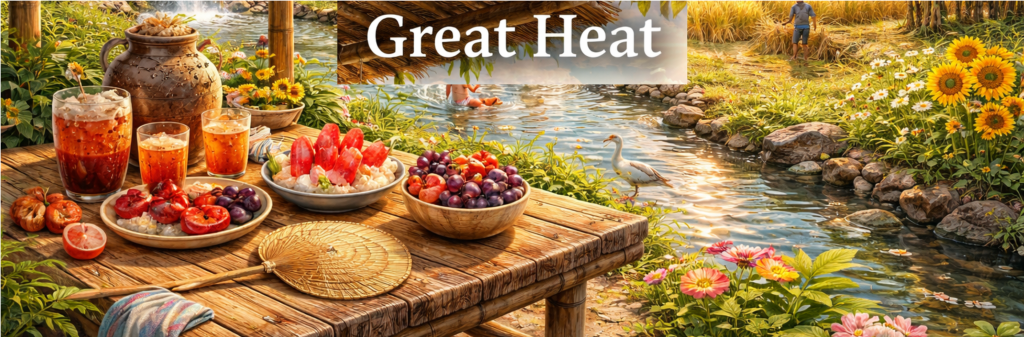
Choose light, freshly prepared meals that help clear Heat and reduce Dampness. Foods such as winter melon, tomatoes, watermelon, bitter greens and adzuki beans are particularly beneficial. Drink regularly throughout the day but avoid excessive iced drinks, which can weaken digestion. Room-temperature or lightly warm drinks are kinder to the Spleen than ice-cold beverages.
Exercise
Exercise only during the coolest parts of the day, such as early morning or evening. Walking, Tai Chi, Qi Gong and gentle swimming are ideal. Avoid strenuous activity in the midday sun, as excessive sweating depletes the body’s fluids and places additional stress on the Heart.
Rest
Listen to your body’s need for rest. A short midday break of 10–20 minutes helps replenish energy during the hottest weeks of the year. Aim for a regular sleep routine and avoid staying up late, allowing the body time to recover from the day’s heat.
Lifestyle
Keep your home comfortably cool without overusing air conditioning. Large temperature differences between outdoors and indoors can place unnecessary stress on the body. Maintain good ventilation and reduce indoor humidity where possible. Wear loose, breathable natural fabrics and avoid prolonged exposure to direct sunshine.
Seasonal Advice
Da Shu reminds us that true cooling comes from balance rather than extremes. Instead of shocking the body with ice-cold drinks or excessive air conditioning, support your Heart and Spleen with gentle cooling foods, adequate rest and moderate activity. This is also the traditional season to strengthen the body’s Yang through treatments such as moxibustion during the San Fu period, helping prepare the body for the colder months ahead.
Disclaimer
This content is offered to support awareness, not to “fix” you. It reflects a Traditional Chinese Medicine perspective and is for informational purposes only—and is not a substitute for individual medical care or a one to one consultation and treatment.
For more information about how Acupuncture and Chinese Medicine can assist you in this season, please make an appointment
As we journey through the solar terms of Lesser Heat (Xiǎo Shǔ) and Greater Heat (Dà Shǔ), we enter San Fu Tian, or The Dog Days of Summer, directly translated as The Three (San) Periods (Tian) of Lying Low (Fu).
The Dog Days of Summer is one of the most important seasonal periods in Traditional Chinese Medicine (TCM). Lasting around 30–40 days from mid-July to late August, it marks the hottest time of the year, when Yang Qi reaches its greatest strength.
In Classical Chinese Medicine, this is far more than a period of hot weather. It is considered a unique opportunity to strengthen the body’s Yang energy, improve resilience and prepare for the colder months ahead.
What are the Dog Days of Summer?
The dates of San Fu Tian are determined by the ancient Heavenly Stems and Earthly Branches calendar rather than a fixed calendar dates. The period is divided into three stages:
Initial Fu – The beginning of intense summer heat. (Fu means to “Lie Low”)
Middle Fu – The hottest and longest period, when Yang Qi reaches its peak.
Final Fu – The gradual transition towards autumn.
By this time, the warmth that has accumulated since the Summer Solstice is at its greatest. Blood circulation is naturally more active, the body’s surface is open through gentle perspiration, and Qi moves more freely through the channels.
Treat Winter Diseases During Summer
One of the oldest principles in Chinese Medicine is to “Treat Winter diseases during Summer.”
TCM teaches that many chronic conditions are rooted in Cold or Yang Deficiency. During San Fu Tian, the abundant Yang energy in nature provides an ideal opportunity to strengthen the body and address these underlying patterns.
Conditions that may benefit include:
Asthma and recurrent coughs
Frequent winter colds
Arthritis and joint pain aggravated by cold or damp
Digestive weakness
Chronic fatigue
Cold hands and feet
Low back pain relieved by warmth
Signs of Internal Cold
Even during the hottest weeks of summer, some people continue to experience signs of internal Cold, including:
Cold hands and feet
Feeling chilly when others are comfortable
Low energy
Loose stools
Frequent winter illnesses
Aches and pains relieved by warmth
These patterns often indicate an opportunity to strengthen Yang rather than simply cool the body.
Traditional San Fu Treatments
For centuries, practitioners have used San Fu Tian to support Yang Qi through treatments such as:
Acupuncture
Moxibustion
Cupping
Dietary advice
Lifestyle guidance
One of the best-known approaches is San Fu Moxa, where warming moxibustion or herbal preparations are applied to carefully selected acupuncture points to strengthen the Lung, Spleen and Kidney systems. This treatment remains widely practised throughout China during the Dog Days of Summer.
Living Well During San Fu Tian
Eat to Support Digestion
Choose foods that hydrate without weakening digestion, including:
Watermelon (in moderation)
Cucumber
Courgettes
Tomatoes
Mung beans
Rice or rice congee
Light grains such as millet and couscous
Light soups and seasonal vegetables
Limit excessive iced drinks, frozen desserts, greasy foods and alcohol, which can impair digestion or contribute to Dampness.
Stay Hydrated
Drink regularly throughout the day. Cool or room-temperature drinks are generally kinder to digestion than ice-cold beverages.
Exercise Wisely
Exercise during the cooler parts of the day, such as the cooler early mornings or late evenings. Walking, Tai Chi, Qigong and gentle stretching, encourage the smooth movement of Qi without overtaxing the body.
Protect Your Yang
While cooling down is important, prolonged exposure to air conditioning or cold drafts can allow Cold to enter the body. A light layer of clothing can help protect the body and allow perspiration to evaporate naturally, and also protect you from sudden temperature changes.
Rest and Recover
Summer’s intense Yang can also be draining. Ensure adequate rest, particularly after physical activity, and allow your body time to recover during periods of extreme heat.
Working with Nature
Rather than simply enduring the hottest weeks of the year, Traditional Chinese Medicine encourages us to work in harmony with the seasons.
San Fu Tian offers a valuable opportunity to strengthen Yang, improve resilience and support the body’s natural defences before autumn and winters arrival.
By embracing the rhythm of the season through appropriate treatment, nourishing food, gentle movement and adequate rest, we can lay the foundations for better health throughout the year.
Sometimes, the best time to prevent winter illness is in the height of summer.
If you are struggling please take a look at this set of gentle breathing exercises, designed thousands of years ago to keep you cool and hydrated.
As the heat rises try to keep sipping cool or room temperature (not ice cold) water or juice.
To prevent the heavy bloated feeling after eating, add gently warming foods to your diet to support your digestive system. It is trying to keep functioning as your body concentrates its energy in opening your pores to perspire, leaving digestive system cold and possibly you feeling exhausted.
Warming foods accorded in the “Chinese Medicine System of Food as Medicine” include, ginger, garlic, onions and very mild spices – in small quantities added to light easy to digest meals such as millet, couscous, noodle soups or sweet vegetable broths.
(This may seems counterintuitive but your body will really appreciate it)
If you would like more information on recipes or ideas on how to survive the heat with a smile on your face.
Xiao Shu, meaning Slight Heat, marks the beginning of the hottest and most humid period of the summer, known as the “Dog Days” or “San Fu Tian” lasting until the end of August. In Traditional Chinese Medicine (TCM), this combination of Heat and Dampness can leave us feeling tired, heavy and restless while placing extra strain on the Heart and Spleen.
Mind and Meditation
The summer heat can make us feel irritable or unsettled. Take time each day for quiet reflection, meditation or slow breathing. Gentle activities that calm the mind, help keep the Heart balanced.
Food and Drink
Although iced drinks are tempting, they can weaken digestion (TCM spleen), choose warm or room temperature drinks instead and eat light, seasonal meals. Include foods that gently clear heat and dampness, such as lotus root, mung beans, (please ask for Recipes). Reduce greasy foods, excess chilli and large, heavy meals.
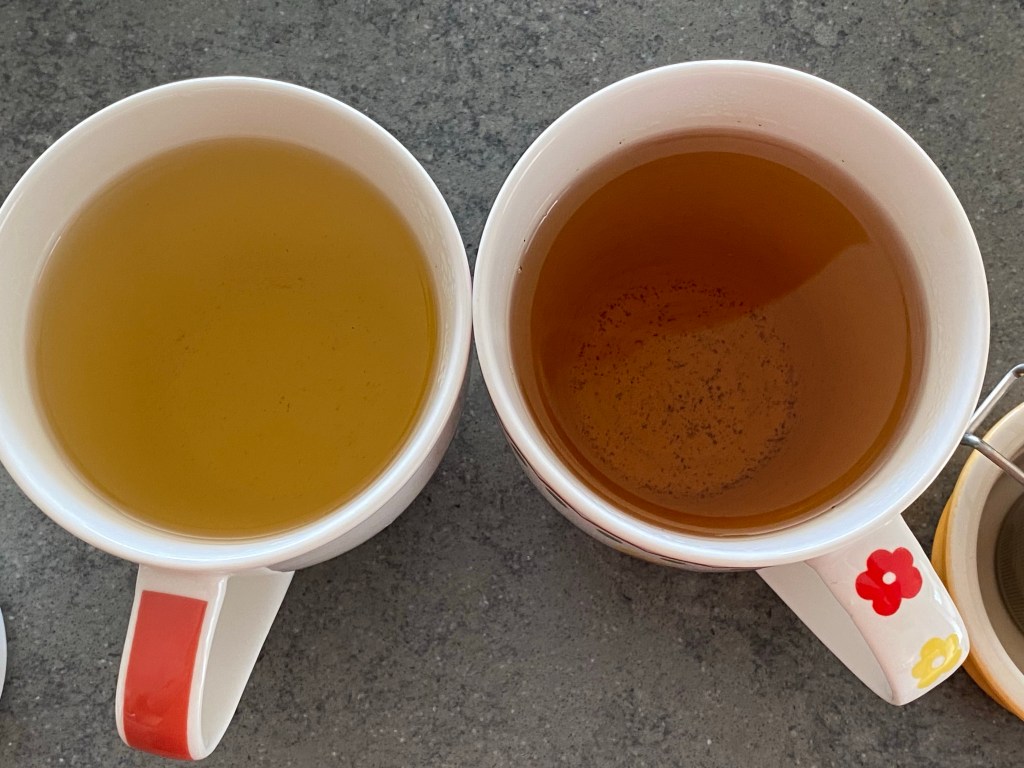
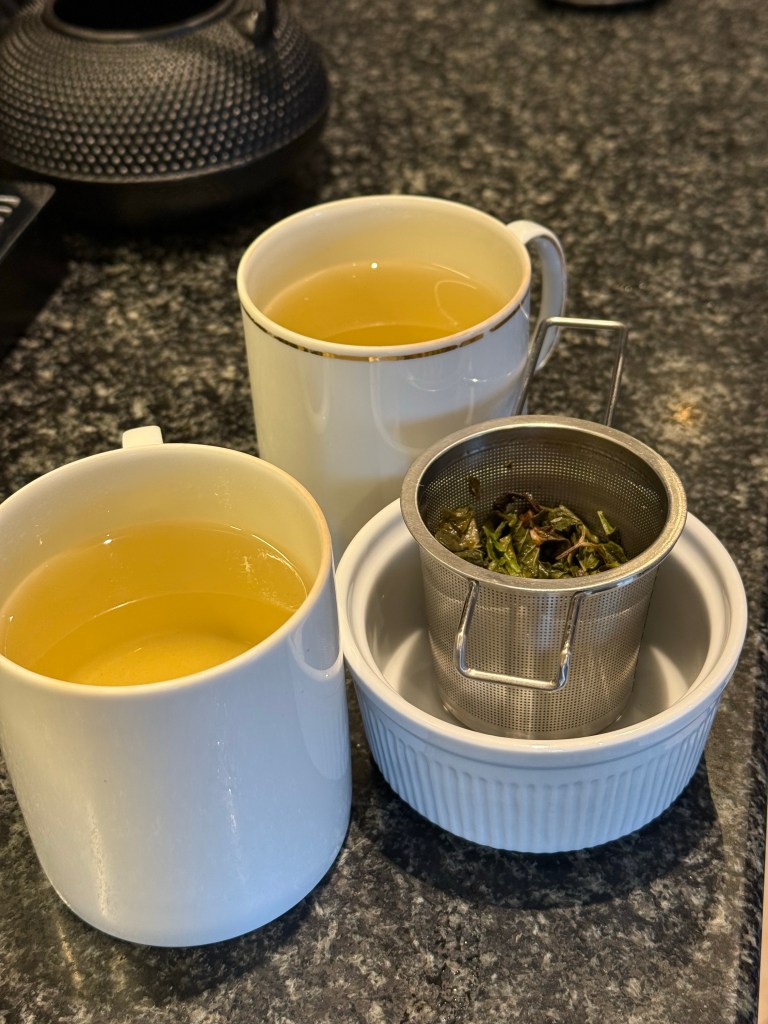
Green tea with mint, chrysanthemum and watermelon rind tea can help cool the body while remaining gentle on digestion. While a morning warming ginger tea can gently support the spleen.
Exercise
Exercise during the cooler parts of the day, preferably early morning or late evening. Gentle exercise such as walking, Tai Chi, Qi Gong or swimming are ideal. Avoid intense workouts that cause excessive sweating, as this can deplete the body’s energy and fluids, aim for a fluid movement and a gentle glow of sweat.
Rest
Aim to be asleep before 11pm and, if possible, enjoy a short rest around midday of about twenty minutes, this could be a quiet relaxation, helping restore energy during the hottest weeks of summer.
Lifestyle
Humidity is just as important as heat during Xiao Shu. Keep your home well ventilated, dry bedding thoroughly in the sunshine and avoid cold air blowing directly onto your abdomen. Sip water regularly throughout the day rather than drinking large amounts in one go.
Clothing
Wear loose-fitting, light-coloured clothing made from natural fibres such as cotton or linen. Long breathable garments protects you from the sun while allowing sweat to evaporate slowly, helping you stay cooler.
Seasonal Advice
The key to Xiao Shu is balance. Although the weather is hot, your digestive system (TCM Spleen) benefits from warmth and gentle care. Eat lightly, rest when needed, move gently and avoid overcooling the body.
By following nature’s rhythm during this Solar Term it will help you maintain energy and wellbeing throughout the height of summer.
Treatment Advice
If you naturally have a Yang deficiency (Yang deficiency in Traditional Chinese Medicine: Characterised by insufficient warming energy, causing coldness, fatigue, sluggishness, pale complexion, weak circulation, and oedema.) Why not book in for – for a speciality treatment of – “treating winter conditions in the summer”
Disclaimer
This content is offered to support awareness, not to “fix” you. It reflects a Traditional Chinese Medicine perspective and is for informational purposes only—and is not a substitute for individual medical care or a one to one consultation and treatment.
For more information about how Acupuncture and Chinese Medicine can assist you in this season, please make an appointment.
Practice the “Jade Fluid Practice” – to help replenish fluids without the shock of cold water.
This is a classical Yang Sheng practice that is especially relevant during the summer months when heavy sweating rapidly depletes your body’s vital fluids.
1- Sit quietly for a few minutes.
2- Begin to slowly and gently click teeth together 36 times.
3- Let the saliva accumulate in the mouth.
4- Swirl the collected saliva three times around the mouth.
5- Swallow it in three intentional portions.
6- Follow the movement of each swallow down into the stomach.
7- Rest in the calm space for a few minutes before resuming your day.
This nourishes your natural yin and provides hydration at your bodies natural temperature.
Why does this work?
Clicking the teeth stimulates the salivary glands and is believed in TCM to activate Kidney Qi — as the teeth are governed by the TCM Kidneys.
Saliva is considered a precious fluid in classical TCM — called 金津玉液 (Jīn Jīn Yù Yè — Golden Fluid, Jade Liquid). Swallowing it intentionally nourishes internal Yin from within
When summer heat is stealing your fluids through sweat, this practice helps replenish them quietly and efficiently, at body temperature, without shocking the Spleen the way cold drinks do.
Best time: Anytime of the day but especially Morning after waking, or in the evening before sleep.
By gently changing habits you can move smoothly and comfortable
through even the stickiest days of the year.
“Cooling Breath”
1- Sit quietly for a few minutes.
2- Keep your head, neck, and spine in a straight line.
3- Breathing slowly and relaxed, through the nose.
4- With your lips form the shape as if you are going whistle.
5- And now gently breathing in through your mouth directing the thin stream of breath onto your tongue.
6- You will feel the cool air hitting your tongue and the back of your throat.
7- Close your mouth, and swallow feeling the cool sensation descending into the core.
8- Exhale slowly and completely through your nose.
Repeat: Continue this cycle for 3 to 5 minutes, allowing your breath to return to normal afterward.
Alternative breathing method:
You can practice this by lightly pressing your upper and lower teeth together and part your lips to expose the teeth to the air.
Inhale slowly through the gaps in your teeth, focusing on the hissing sound.
Close your mouth, and and swallow feeling the cool sensation descending into the core.
Then exhale slowly through your nose.
“Two Hands Upholding the Heavens”
Stretching the arms and torso upward and opening the chest and abdomen. This movement gently opens the body’s internal water pathways allowing stagnant Damp-Heat to drain downward and giving the Chinese Medicine Spleen room to breathe.
The Summer Solstice marks the longest day of the year and the peak of Yang energy. Nature is at its most expansive, vibrant, and outwardly active. Yet within this peak lies the first stirrings of Yin. Ancient Chinese wisdom teaches that when anything reaches its zenith, it begins to transform into its opposite.
While the world appears full of heat and activity, this is also the moment to begin conserving energy and protecting the body’s fluids.
The Heart, associated with the Fire element and Summer, is at its strongest influence during this period. Excess heat, overexertion, and emotional agitation can disturb the Shen (Spirit), leading to restlessness, irritability, poor sleep, and mental overactivity.
Mind A time to cultivate calm within activity. Although the season encourages socialising and outward expression, balance comes from moments of stillness and reflection. Protect the Shen by avoiding excessive stimulation, emotional drama, and overcommitment. Quiet meditation, mindfulness and gratitude practices.
Spending peaceful time in nature help anchor the Heart and maintain emotional balance.
Exercise Continue to move the body, but avoid exercising in the strongest heat of the day. Early morning and evening are ideal. Walking, Tai Chi, swimming, gentle cycling, and moderate outdoor activity help circulate Qi without exhausting body fluids or overheating the Heart. Excessive sweating should be avoided, as it depletes both Qi and Yin.
Food Choose foods that gently clear Heat, nourish fluids, and support digestion. Watermelon, cucumber, lettuce, celery, courgette, tofu, mung beans, berries, and lightly cooked seasonal vegetables are excellent choices. Bitter foods such as rocket, chicory, and pak choi can help clear excess Heart Fire. Avoid excessive spicy foods, alcohol, greasy meals, and overeating, all of which can generate additional internal heat.
Clothing Wear loose, breathable clothing made from natural fibres that allow heat to disperse. Protect yourself from prolonged exposure to strong midday sun, and stay hydrated throughout the day. While keeping cool is important, avoid excessive use of air conditioning or ice-cold drinks, as sudden cold can weaken digestion and disrupt the body’s natural balance.
The Character of Xia Zhi: At the height of Yang, begin nurturing Yin.
Remain active, but do not exhaust yourself.
Remain bright, but cultivate inner stillness.
In the longest days of the year, the greatest wisdom is moderation.
Yang energy continues to rise as summer begins to establish itself. Temperatures increase, plants become full and abundant, and grains begin to swell but are not yet fully ripe, giving the solar term its name, Small Fullness. Nature is vibrant and growing, but has not yet reached its peak.
As Heat increases, Dampness often begins to accumulate alongside it. The Spleen remains important during this transition and can become burdened by warmth and humidity. The body may experience feelings of heaviness, sluggishness, digestive changes, restlessness, or a sense of internal heat building.
Mind
A time for moderation and balance give a 20% life buffer to help deflect exhaustion. Xiao Man reminds us that growth does not require excess. Feeling overstretched, impatient, or trying to do too much can create internal tension. Allow steady progress without pushing beyond your reserves. And be sure to rest during the middle of the day.
Exercise
Continue regular movement but avoid excessive heat and exhaustion. Walking, swimming, stretching, Tai Chi, or lighter outdoor activities. Be sure to exercise during cooler parts of the day. Gentle movement helps circulate Qi and prevents Dampness from settling. But remember to rest in the heat of the day.
Food
Choose lighter meals that support digestion and clear Heat without damaging the Spleen. By adding “bitter flavours” such as Rocket, Watercress, Chicory, Endive, Matcha or Dark Chocolate to your diet will clear heat, leafy greens, cucumber, berries, and lightly cooked foods work well. Continue reducing greasy and overly rich foods, and maintain good hydration without relying on iced drinks.
Clothing
Dress in lighter, breathable layers as temperatures rise, but avoid sudden overexposure to wind, strong sun, or air conditioning. Keep comfortable and cool while protecting the body from rapid changes in temperature.
Beginning of Summer (Li Xia) marks the transition from the gentle emergence of Spring into the expansive growth and vitality of Summer. Between 5th May and 21st May 2026, the rising influence of the Fire element and ascending Yang Qi encourages greater movement, activity, social connection, and outward expression. This guide explores how to remain balanced and nourished as nature shifts into a more dynamic phase of the year.
General
Explore the energetic significance of the Beginning of Summer within Traditional Chinese Medicine, including the movement from the “birth” phase of Spring into the active “growth” phase of Summer. Observe the rising dominance of Yang energy, the influence of the Fire element, see how living seasonally can help us remain aligned with the rhythms of nature.
If you are feeling weak and exhausted this time of the year, it may be that you are feeling the effect of the Yang Qi (chi, energy) moving outwards and leaving you digestive core, cold and depleted. Your digestive tract is unsupported and is running cold and waterlogged, this is called Summer Lethargy, and can easily be countered through treatment and assisted by dietary changes too.
Mind
Focuses on the emotional and mental aspects of the season, particularly the connection between Summer, the Heart, and the Shen (Spirit). It looks at supporting calm joy, emotional balance, healthy boundaries, and avoiding overstimulation as energy becomes more outward and expansive.
Exercise
Enjoy the feeling as your need for movement naturally changes during this solar term, encouraging more active exercise whilst avoiding overheating and depletion. It highlights the importance of sustainable vitality, hydration, and choosing cooler times of day for physical activity.
Food
Seasonal eating during the Beginning of Summer is key, including lighter meals, hydrating foods, seasonal vegetables, berries, and gently cooling ingredients that help support balance as temperatures rise. Reducing excessively greasy, fried, or heating foods and maintaining healthy digestion during warmer weather is key.
Avoid iced water, this can freeze your digestive activity more and compound the issue of exhaustion.
Clothing considers practical ways to remain comfortable and regulated during the seasonal transition, including breathable fabrics, layering, hydration, and supporting the body’s natural cooling mechanisms as external heat increases.
If you are over heated, avoid air conditioning as this leads to locking shut your pores and trapping cold in the internal organs, with the outer layer of Yang trying to escape, leading to possible skin eruptions.
The ancient knowledge of the Solar Terms provides a holistic seasonal guide rooted in Traditional Chinese Medicine, helping you embrace the warmth of the season with joy, connection and vitality of early Summer whilst maintaining balanced, resilience, and wellbeing.
For more information about how Acupuncture and Chinese Medicine can assist you in this season, please make an appointment.
Disclaimer
This content is offered to support awareness, not to “fix” you. It reflects a Traditional Chinese Medicine perspective and is for informational purposes only—and is not a substitute for individual medical care or a one to one consultation and treatment.
• Reduce damp-producing foods: sugar, dairy, excessive raw foods
• Morning sunlight exposure (very important for resetting yang)
• Gentle Spleen support points: ST36, SP6 (ask if appropriate for you, check with your Acupuncturist at your next appointment)
• Don’t oversleep — it actually worsens dampness in this pattern
This is essentially: the system waking up, but still has winter residue hanging around.
Open Gate
Boundaries becoming porous and letting in aggravating elements – leading to Allergy type symptoms. This is a beautiful but sometimes destabilising season.
What’s happening energetically:
The Liver’s natural function is to “spread and open”. In Clear and Bright, this becomes very active — almost like doors opening internally and externally and letting in the pollen.
It can be healthy (creative flow, emotional release), but if ungrounded it becomes chaotic.
• Emotional volatility but not necessarily anger — more “rawness”
• Strong urge to change life direction or clear everything out
How to help yourself:
• Grounding practices: slow walking, barefoot time on earth if possible
• Consistent routines (this is stabilising medicine in itself)
• Wind protection: scarf around neck, avoid strong wind exposure
• Going out for walks is good wear sunglasses and a face mask when outdoors or go out after the rain has settled the pollen.
• Acupuncture focus: LV3 + DU20 often used for centring and smoothing qi (ask if appropriate for you, check with your Acupuncturist at your next appointment)
• Emotional containment: avoid over-processing everything at once
• Keep meals regular — this anchors the Spleen and stabilises the “open system”
Think of this as: the doors are open — but you still need a frame so they don’t swing wildly.
Disclaimer
This content is offered to support awareness, not to “fix” you. It reflects a Traditional Chinese Medicine perspective and is for informational purposes only—it is not a substitute for individual medical care.
Dan Lloyd the Acupuncturist – dan@whatisthepoint.net – 07815814886